Ayurveda for a Healthier Tomorrow
On the 11th Ayurveda Day, India’s ambassador to Cambodia reflects on how this ancient healing system continues to inspire global wellness movements—and how India and Cambodia can deepen collaboration in traditional medicine and preventive health.
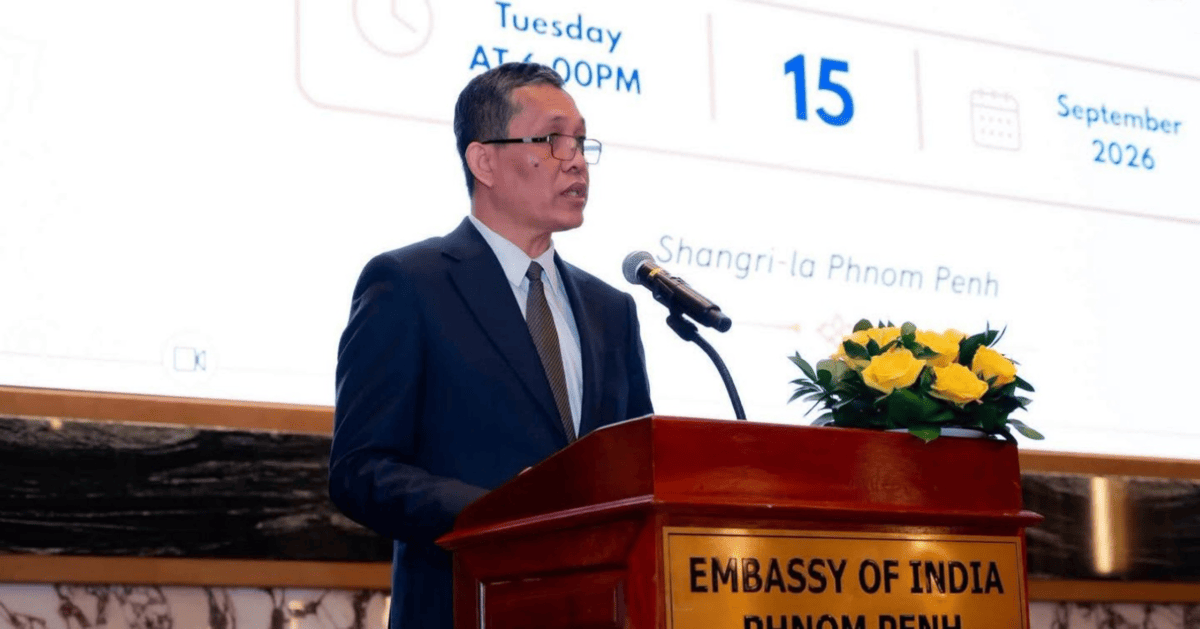
The 11th Ayurveda Day, under the theme Ayurveda for a Healthier Tomorrow, was observed on September 23. This year’s theme highlights the enduring value of this traditional system—not just as part of India’s heritage, but as a living practice with growing relevance in today’s health-conscious world.
Ayurveda, originating in ancient India, emphasizes prevention over treatment and seeks balance between body, mind, lifestyle, and the natural environment. Its focus on personalized nutrition, daily rhythms, physical activity, and preventive wellness aligns closely with modern trends toward holistic well-being.
Over the past decade, India has invested significantly in integrating Ayurveda into its national healthcare framework. The Ministry of AYUSH, established in 2014, oversees efforts to standardize practice, expand education and research, and ensure quality control across traditional medicine systems. Key initiatives like the National AYUSH Mission have helped strengthen infrastructure, while programs such as AYURSWASTHYA and AOGUSY promote preventive health and support industry development.
Efforts to sustainably cultivate medicinal plants are also central to preserving Ayurveda’s natural foundation. Together, these initiatives aim to embed time-tested wisdom into a modern, evidence-informed healthcare landscape.
Celebrations in Cambodia carry special significance given the centuries-old cultural and civilizational ties between the two nations. The shared legacy—evident in monuments like Angkor—provides a strong base for expanding cooperation in wellness tourism, education, research, and plant conservation.
Indian diplomatic and institutional outreach has facilitated growing exchanges in Ayurveda across Southeast Asia, with increasing visibility of related products and practices in Cambodian urban centers. Looking ahead, deeper collaboration in this space promises mutual benefit, especially as wellness becomes a key driver in global tourism and public health strategies.
Beyond celebration, this year’s theme points to a broader truth: health is not just the absence of disease, but a dynamic state of balance—fostered through mindful living, proper nourishment, movement, and respect for the rhythms of nature.